
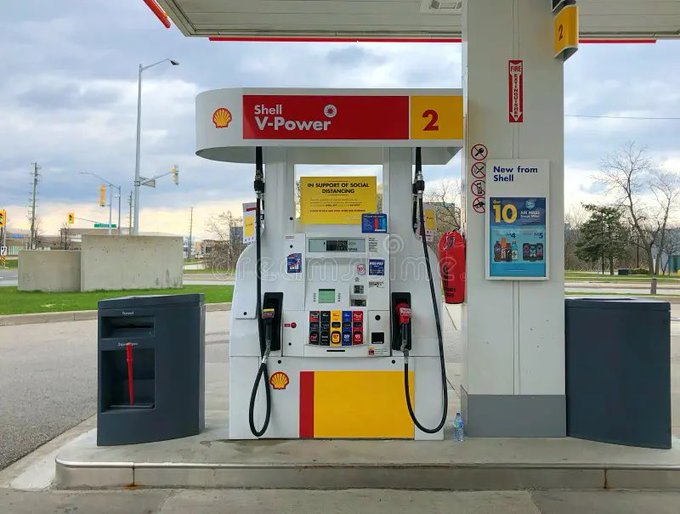
As American citizens are filling up their gas tanks this week from all the major
convenience stores across the country. They are noticing a substantial increase ($.50 to
$.70) in gas from last week. This is usually the first sign of emotional freak-out from the
average hard-working American, who woke up Saturday morning of Feb. 28 th to see the
U.S. and Israeli military in a full-scale air attack on the country of Iran called Operation
Epic Fury. All of us are not Economists, but we are smart enough to know that pricing in
most goods/services markets is dictated by the energy infrastructure around the world.
As a primary component of supply chains, higher fuel costs directly increase the price of
moving goods, which are passed onto the consumer.
As talks between the U.S. and Iran were set against a significant U.S. military buildup
in the region and threats of action if no deal was struck. President Trump and the rest of
the negotiators felt the sides were too far apart on Iran’s Nuclear program and ballistic
missiles. Therefore, he ordered a U.S., along with Isreal, military strike.
The big question now is what happens next. Does the Trump administration try to
attempt to control Iranian energy assets? Like what has happened with Venezuela or
are they trying to distract attention from domestic economic issues? President Trump
has stated that Operation Epic Fury would last about a 4-week period. Let’s hope and
pray that it is not a prolonged conflict. If it’s drawn out, global economies and markets
would pose even greater questions marks over energy supplies.
With the Strait of Hormuz supposedly closed, it will effectively stop 20% of global oil and
gas supplies and make oil prices increase in response. Also, the strait does not have to
be blocked to raise insurance premiums or cancel risk covers for maritime corporations
that signal any kind of danger. Thin margins make maritime transport sensitive to cost
increases and delays, which will also affect us at home. Of course, shutting down the
strait will hurt Asia far more than the U.S. or Europe. But is the Strait of Hormuz really
shut down? President Trump has stated U.S. Development Finance Corporation would
provide risk insurance for tankers. Also, the U.S Navy was prepared to escort them
through the Strait if necessary. Since we know have Air and sea military dominance.
The broader economic impacts of trade disruption and energy prices could by some
estimates total up to $210 billion with the majority of that going to military spending.
Costs will only escalate significantly if the conflict lasts longer than the 4-week period
President Trump predicted. So, what are the administration’s plans? It doesn’t take a
brain surgeon to know by now President Trump and his cronies have a plan executed
before making major global decisions. Primarily, their aim is to neutralize Iranian nuclear
threats and proxy networks.
But does that really satisfy the hard-working consumer who has been dealing with
continued rising prices in the last 6 years. Let’s hope that suppliers do not resort to what
I have mentioned before called “sticky Pricing”. This was used during and after the
Covid-19 time-period. Most manufacturers and suppliers will use domestic or global
conflicts to raise prices in order to increase their profits. This means prices rise quickly
in response to any supply chain issues or demand but do not fall quickly when costs go
down. I can only reiterate that ending this conflict within the 4 week period will stabilize
oil supplies, reducing inflation and driving a relief really in the stock market.